
CONTEXT
Generations told to live healthier, longer lives are now framed as a burden. One in ten people alive today is 65 or older (830 million). By 2050, that will be one in six (1.6 billion). In many countries, the shift has already begun. When 20% of a population is 65 or older, demographers classify it as ‘super-aged’.
Our societies aren’t structured for this success. Aging remains understood through deficit – stigma, medicalization, decline – rather than possibility, opportunity, and celebrated learnings. Longer lives demand new products, services, and ways for people to connect that don’t yet exist.
116 million people aged 65+ across eight countries with varied policy approaches, market structures, and cultural attitudes
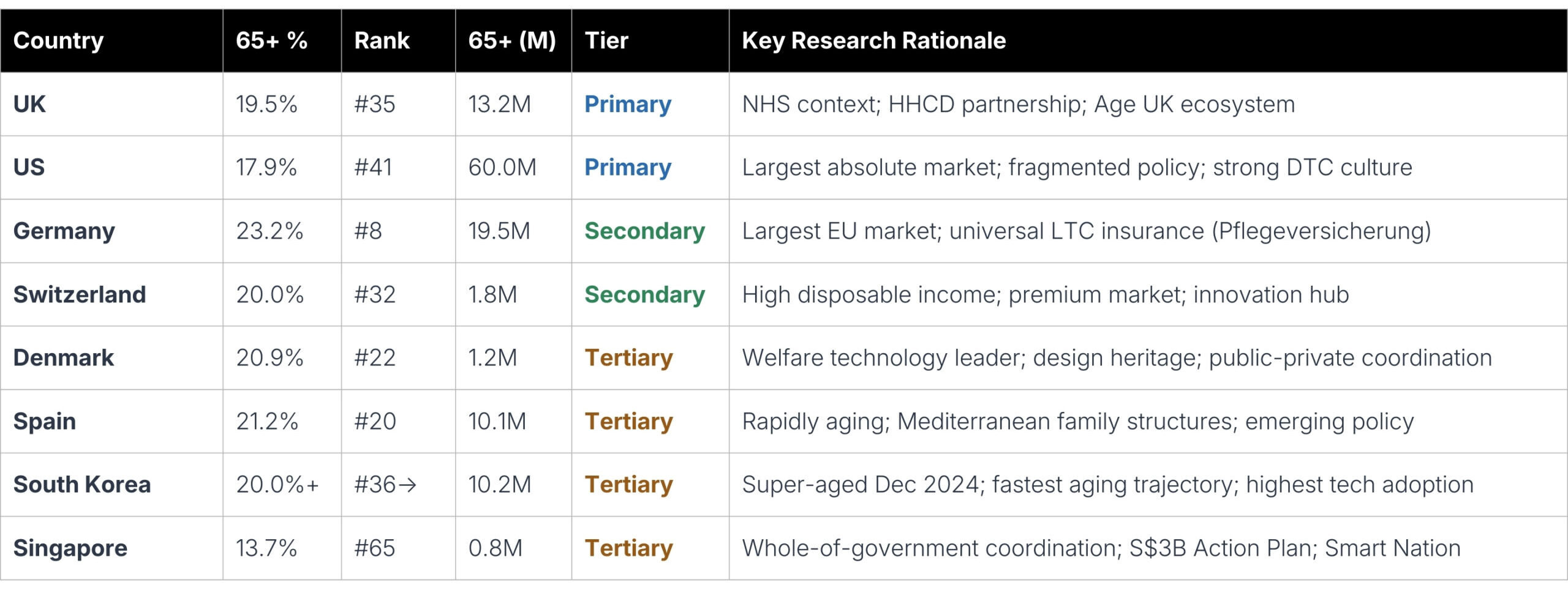
Data: UN World Population Prospects 2024; TheGlobalEconomy.com
The 50+ population accounts for $35 trillion in global consumer spending – half the world total. Those over 65 are the biggest spenders within that group, but consistently underserved.
The system fails in two directions:
- Products designed for later life are rejected by those who need them
- Products actually needed by older adults often don’t exist
This research uses futures methods to identify where the system can be redirected toward better outcomes by 2050.
Existing research on technology adoption, consumer psychology, and gerontology focuses on functional barriers – cost, access, usability – while under-exploring the psychological, emotional, and cultural factors that may be more determinative.
Across all STEEP dimensions and all regions studied, one pattern emerges: people resist products that position them as “old.” This is not just a psychological barrier at the individual level. Interventions must address identity at system level, not just product level.
These adoption barriers of identity, stigma, and framing over functionality will likely replicate as AI-powered products reach aging populations, making this research relevant beyond traditional product categories.
What the market offers
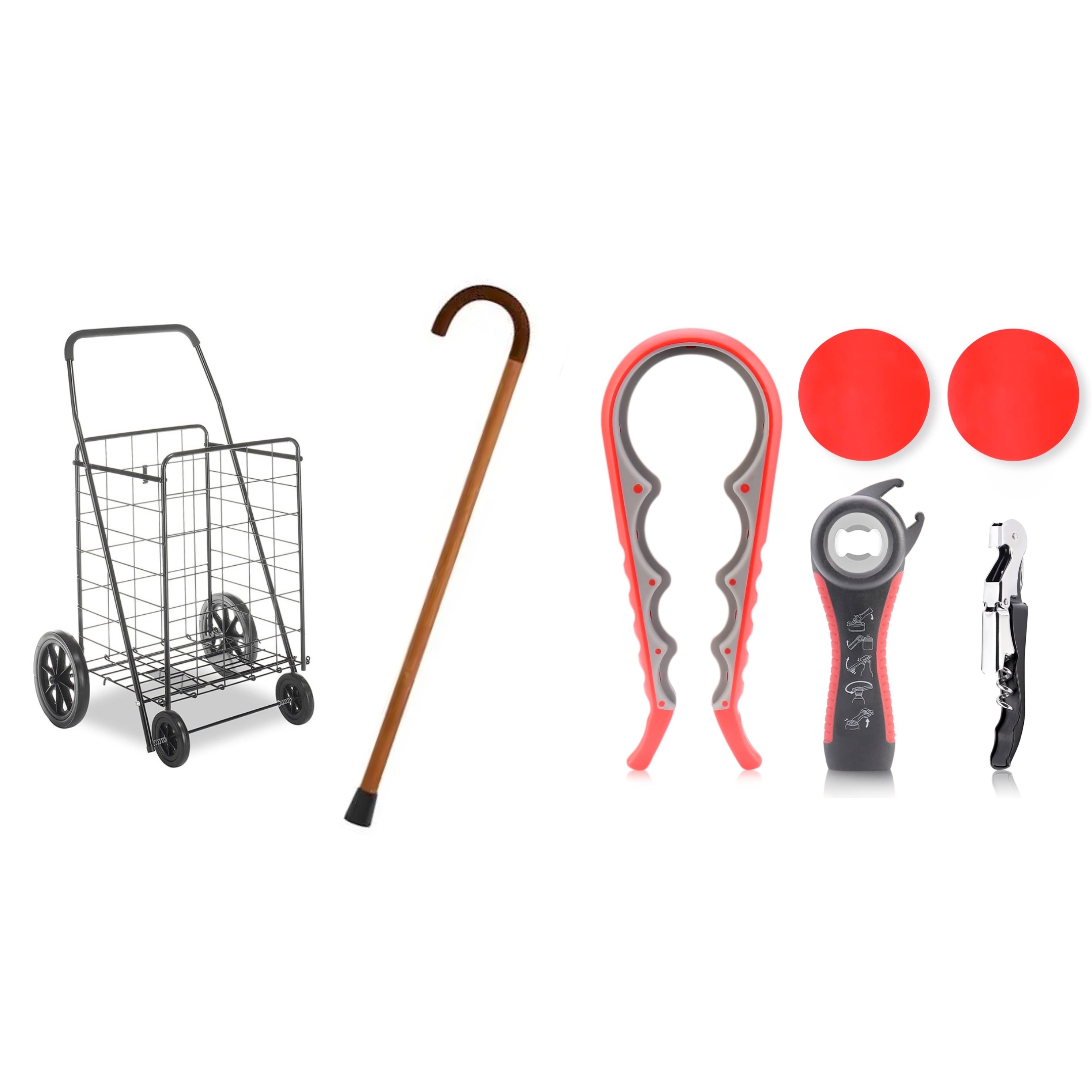

What people actually want
SIGNALS


This framework builds on adoption theory (why individuals accept or reject), diffusion theory (how innovations spread through populations), and barriers research (what prevents adoption even when demand exists). It reconfigures these lenses into a three-force diagnostic: Behavioral, Cultural, and Product. When adoption fails, the gap between these forces identifies not just what’s wrong, but also what kind of intervention is needed.
What’s novel:
- The three-force model
Behavioral, Cultural, and Product as distinct, interacting forces that shape adoption - Gap-as-intervention
Each type of misalignment implies a different response: redesign function, reframe/rebrand, or build new - Application to aging
Explaining why products for older adults fail despite apparent demand
Research in progress. Framework and findings subject to refinement. I welcome conversation: hello@hosanlee.com
The following signal categories frame how aging populations interact with products, services, and identity. Adoption fails when these three don’t align, and the gap between them is where opportunity sits. This small set of examples collectively represent almost $80B in current global value across categories where older adults are the primary or fastest-growing consumer segment, yet remain systematically underserved by existing product design.
1. Behavioral signals
WHAT PEOPLE DO
Older adults are already solving their own problems. Products that align with this agency get adopted; products that impose decline framing get rejected.
Walking sticks + canes (Global)
$3B
Potential Market Value
Mordor Intelligence (2025). Walking Assist Devices Market Size. / Allied Market Research (2024). Trekking Poles Market Size.
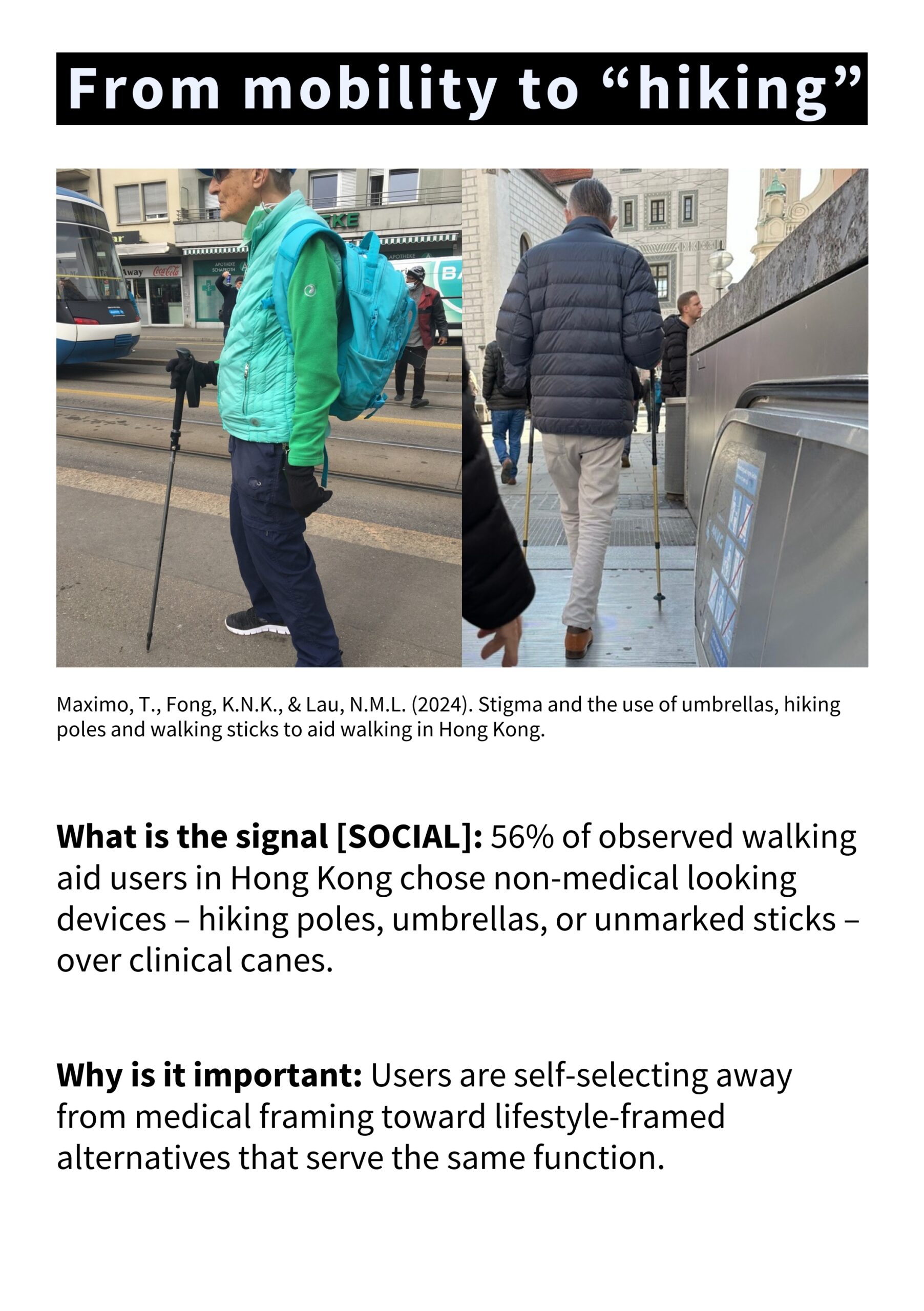
People who reject medical canes (signals decline) are buying hiking poles (signals vitality) instead, a self-directed workaround that the market hasn’t named. The same need (stability, fall prevention, confidence) is served by two entirely separate value chains: canes flow through medical supply and healthcare channels; hiking poles flow through outdoor retail.
Opportunity: Reframe
50+ gaming (Global)
$5B
Potential Market Value
AARP Research (2023). The 50-Plus Gamer of Today and Tomorrow. Washington, DC: AARP Research.
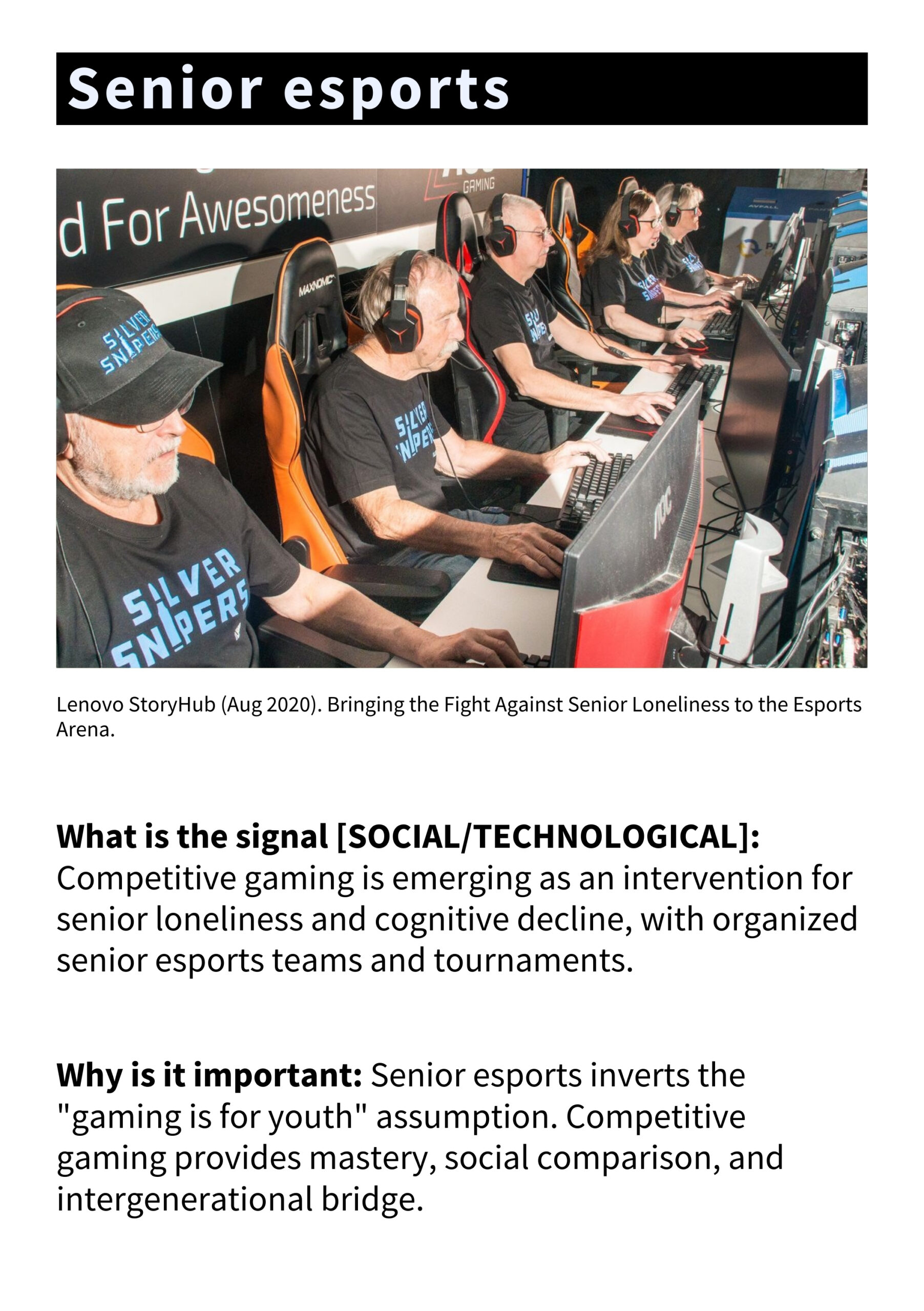
The fastest-growing gaming demographic worldwide is over 50. In the U.S. alone, 52 million are active gamers – and 69% say games aren’t designed for them. A $189B global industry with almost no products built for its most underserved segment.
Opportunity: White space –> build new
2. Cultural signals
WHAT CULTURE PERMITS
Cultural validation is ahead of product markets. Mainstream media and entertainment already frame aging as vitality, autonomy, and style, and yet the products available still signal decline. The gap between cultural framing and product framing is where the opportunity sits.
55+ Influencer Marketing (Global)
$8B
Potential Market Value
McKinsey & Company / The Business of Fashion (2025). The State of Fashion 2025.
People 55+ control the majority of household wealth in most developed economies, yet only 3% feel seen by brands. A $3-8B opportunity in a global $33B industry where the highest-value consumers are the least served.
Opportunity: White space –> build new
65+ OTC pain relief (Global)
$10B
Potential Market Value
Mordor Intelligence (2026). Over-the-Counter Analgesics Market – Size, Share & Industry Analysis.
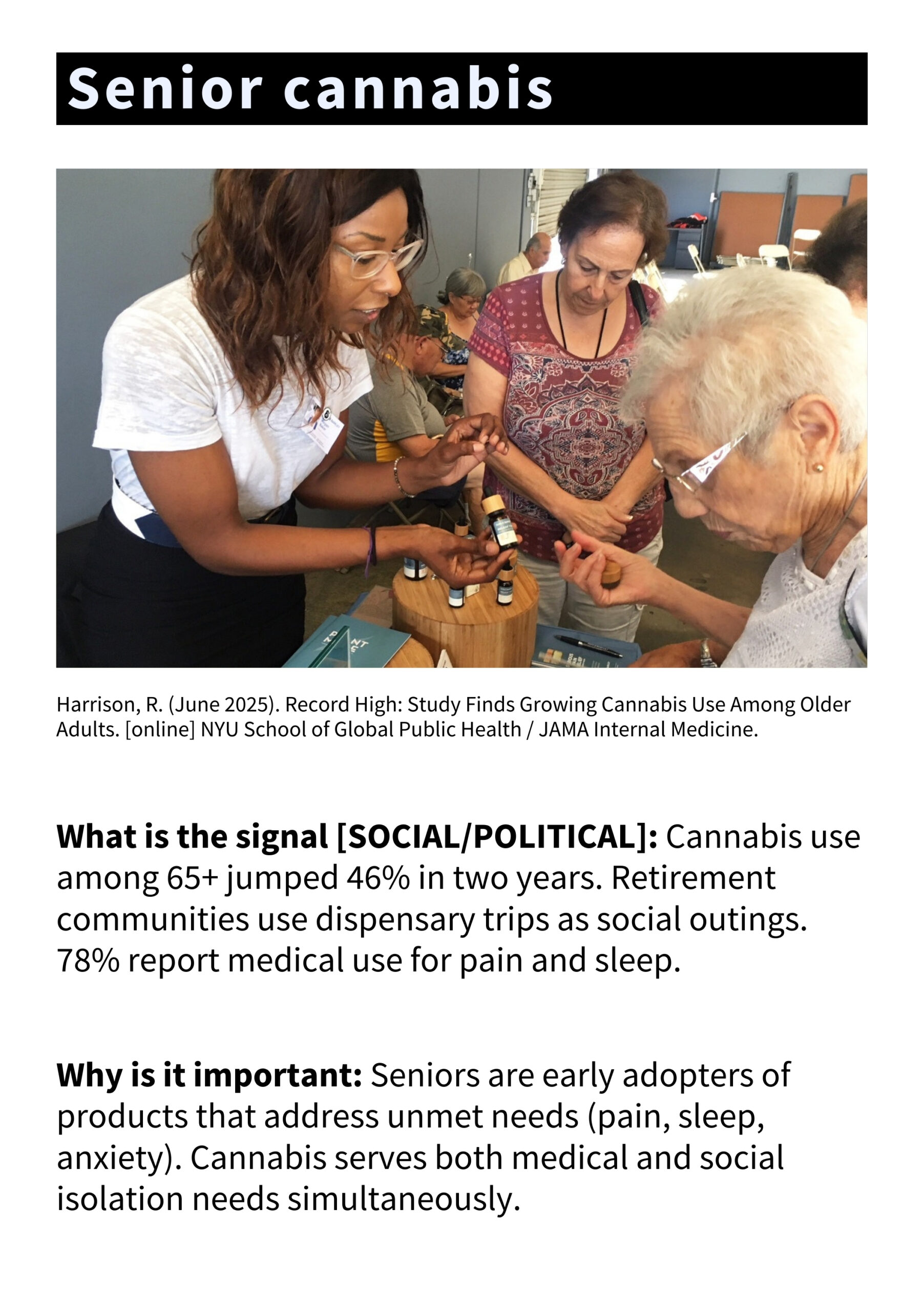
Older adults are the heaviest users of OTC pain relief globally. Rising healthcare costs are accelerating openness to alternative treatments – from topicals to CBD and cannabis – but product design hasn’t caught up with the clinical reality of aging bodies.
Opportunity: Redesign –> culture is ahead of product
EVIDENCE OF CULTURAL PERMISSION

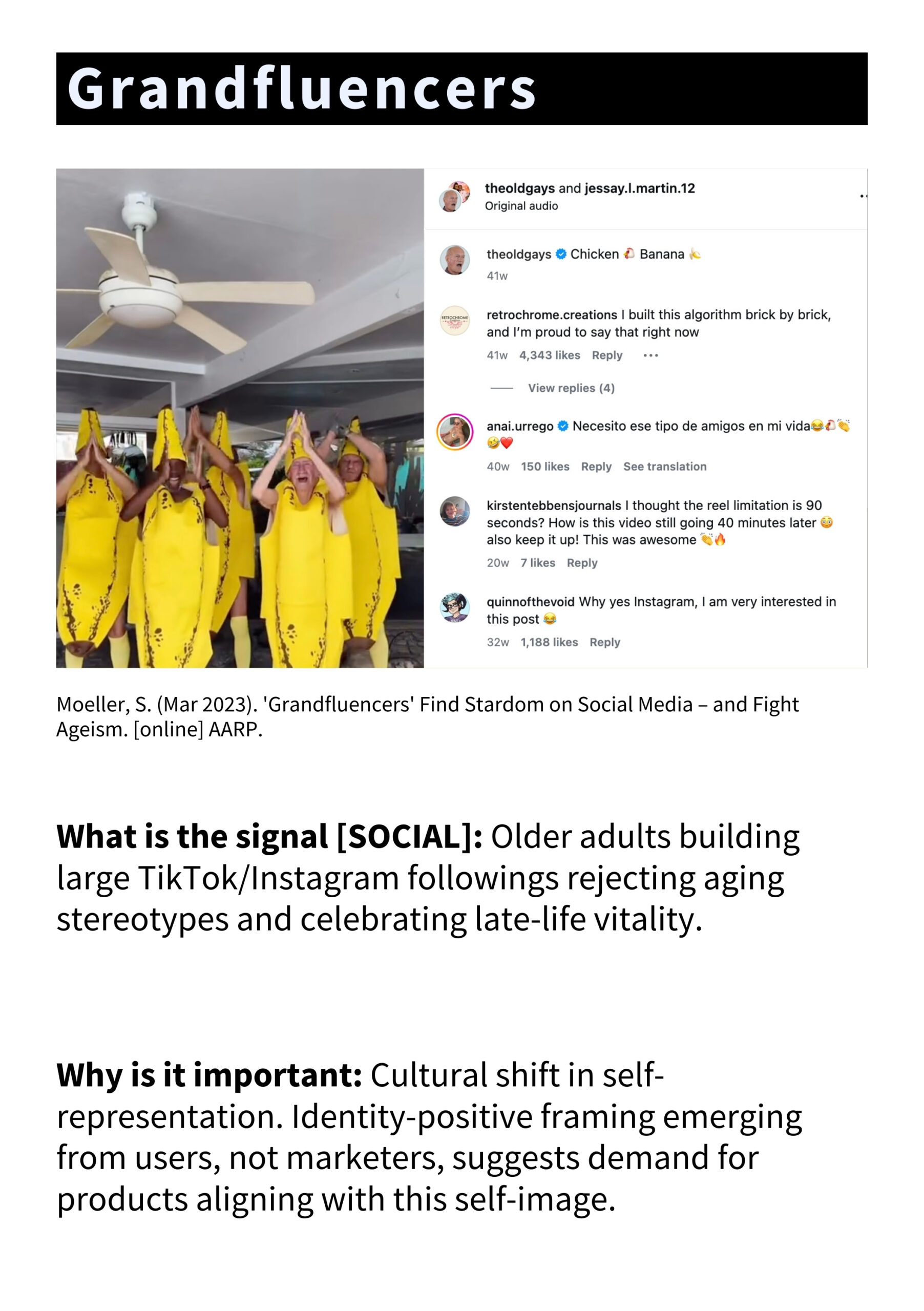
Vogue Philippines [SOCIAL/VALUES]: Vogue Philippines’ April 2023 cover featured older women, positioning aging beauty alongside mainstream fashion. That this came from an Asian edition, not a Western one, signals a global cultural shift in how aging is represented. When a cultural institution that defines aspiration includes older faces, it signals that the market’s age-segregated framing is outdated.

Grace and Frankie [SOCIAL/VALUES]: Netflix’s longest-running original series at the time centered two women in their 70s navigating divorce, entrepreneurship, sexuality, and friendship. The show normalised late-life reinvention as entertainment – not special interest – reaching mainstream audiences who don’t self-identify as “aging content” consumers.
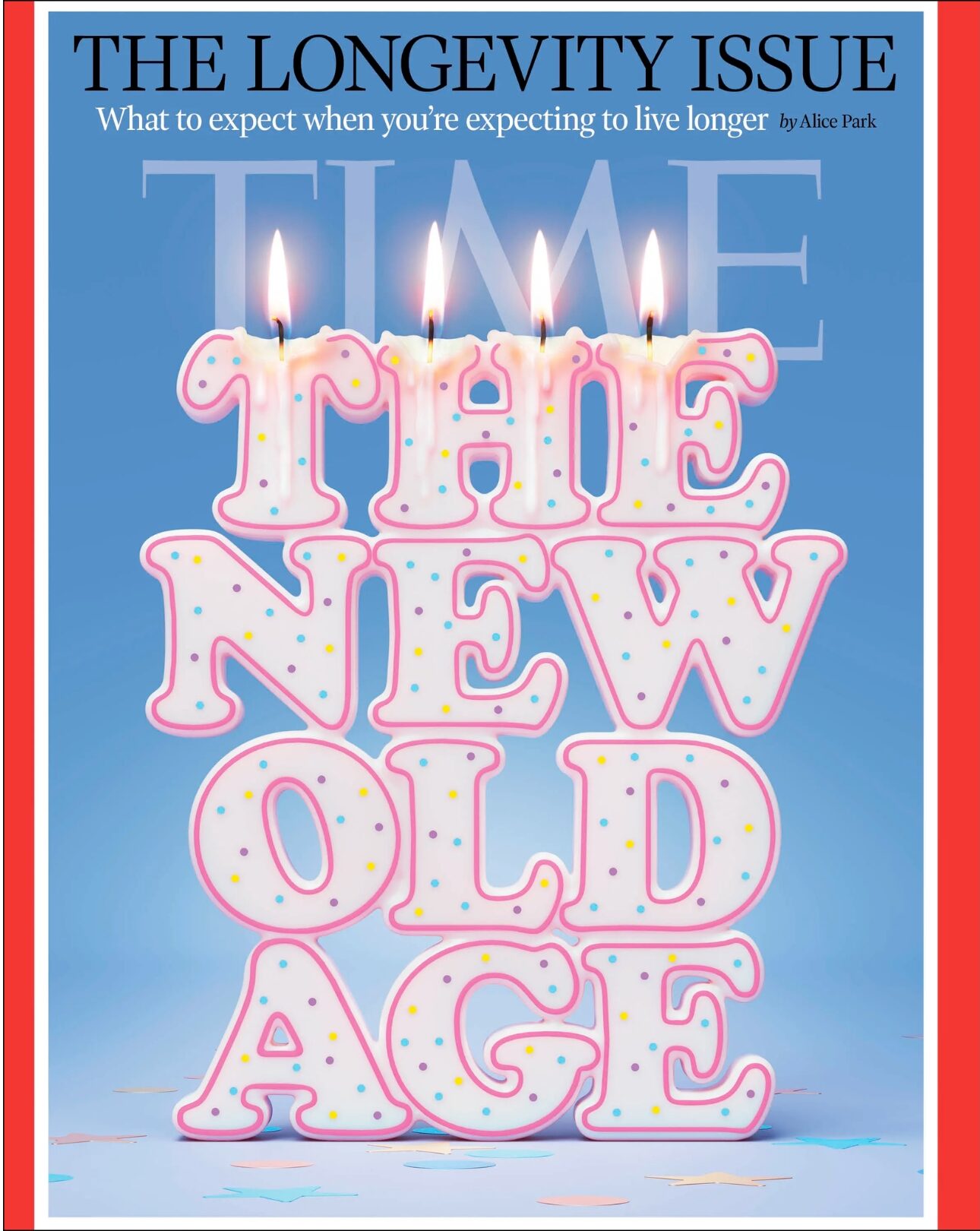
Time “The New Old Age” [SOCIAL/VALUES]: Time magazine’s January 2026 cover framed longevity as the defining demographic story of the era, positioning aging not as a medical problem but as a societal transformation. When media reframes aging from healthcare burden to economic and cultural opportunity, it reshapes the context in which products are developed and received.
3. Product signals
WHAT SYSTEMS DELIVER
Adoption is shaped by the system around the product – regulation, framing, distribution – not just the product itself.
hearing aids (Global)
$20B
Potential Market Value
MarkeTrak 2025 / Hearing Industries Association. Hearing Aid Adoption in the OTC Hearing Aid Era.
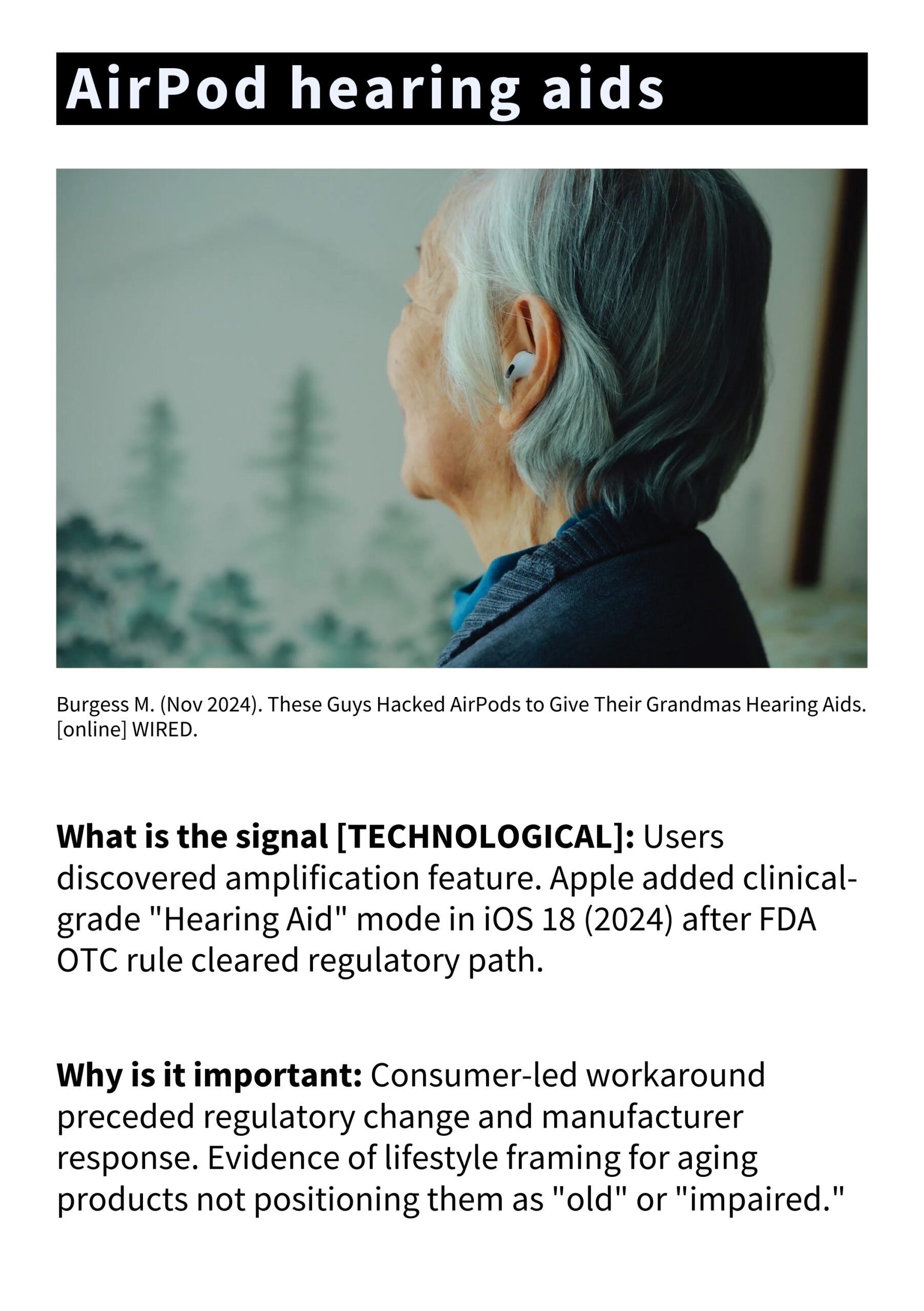
The WHO estimates over 1.5 billion people globally live with some degree of hearing loss, yet adoption of hearing aids remains low worldwide. Across markets, systemic issues – product design, regulation, framing, distribution – still signal “medical device,” not lifestyle.
Opportunity: Reframe
aging-in-place + accessibility (global)
$27B
Potential Market Value
Stratistics MRC (2025). Aging-in-Place and Home Accessibility Solutions Market Forecasts to 2032.
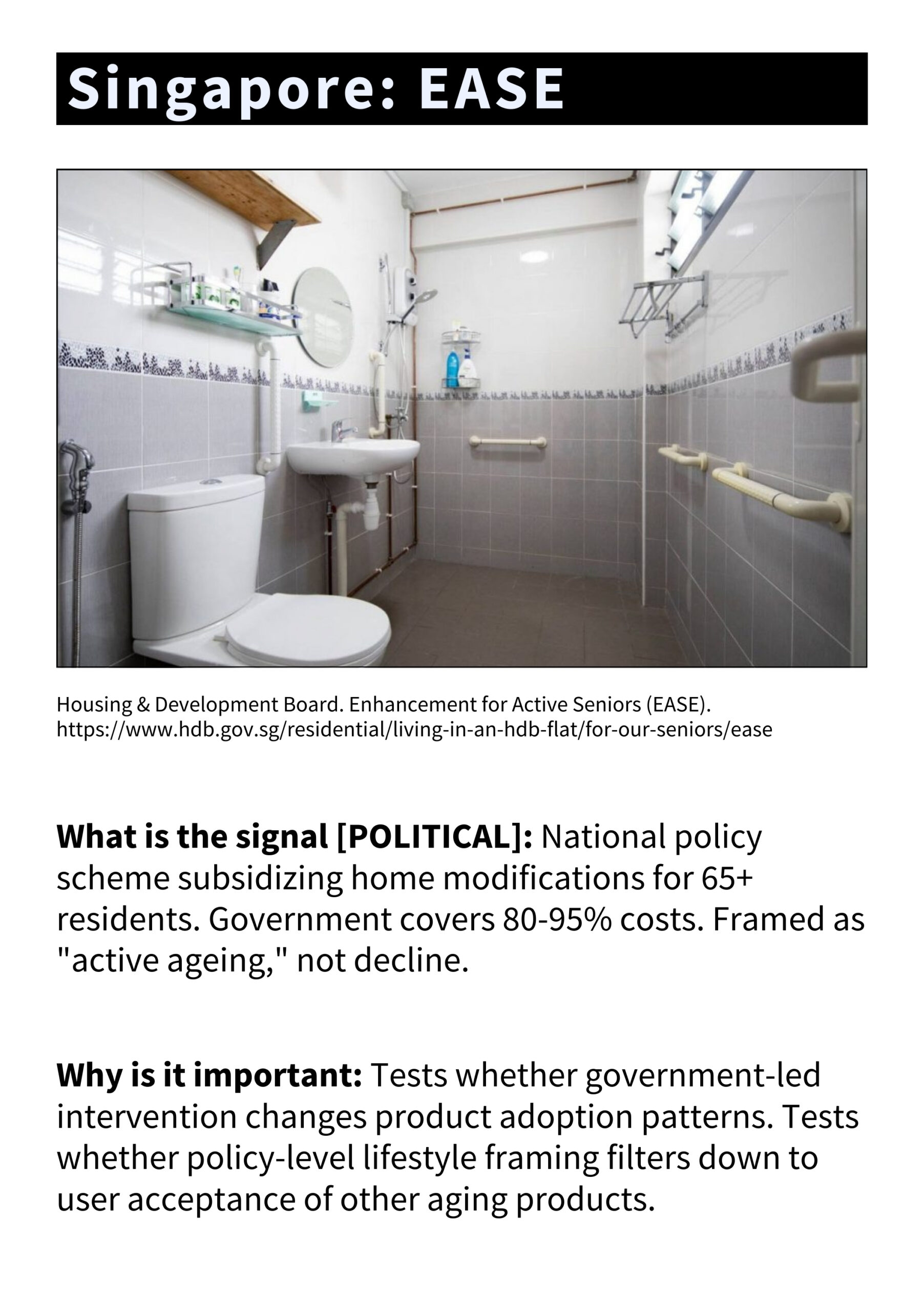
Across developed economies, the vast majority of older adults prefer to remain in their homes – yet most don’t anticipate needing modifications until a crisis forces it. That perception gap is the design problem.
Opportunity: Redesign –> shift function from crisis response to proactive adoption)
REFLECTION
This research extends the throughline from TABLETRIBES (trust formation between strangers) and Oxford Street (collective efficacy in transient populations) into a new domain. The core question remains consistent: how do you design conditions for adoption when existing social infrastructure is absent or misaligned?
What’s emerging
- Identity barriers are more determinative than functional barriers
- Cultural framing has outpaced product framing – the gap is the opportunity
- Regional variation suggests context-sensitive rather than universal solutions
RESEARCH DETAILS
Click to open
Status
Research in progress (thesis submission 2026). Guest researcher secondment, Helen Hamlyn Centre for Design.
Timeline
Feb-Apr
Data collection and mapping
May-Jun
Analysis, synthesis, database development
Jul-Sept
Report and visualizations
Tools
Research · Analysis · Writing · Synthesis
Claude · ChatGPT · Gemini · Perplexity
Design · Prototyping · Development
Figma · Miro · Airtable · Google Sheets · Adobe Creative Suite (Photoshop, InDesign, Illustrator) · Affinity · Canva · Claude · Gemini · WordPress
Why do people reject products designed for their aging needs, and what would it take to change that?
- System Interactions: How do actors, products, policies, and framing interact to produce persistent adoption failures?
- Lifestyle Framing: Under what conditions does lifestyle framing succeed? What regulatory constraints prevent it?
- Intervention Points: Where can design, market, or policy interventions address barriers most effectively?
- Emerging Signals: What emerging signals suggest how the aging product landscape might evolve toward preferable futures by 2050?
- Systems map: how actors, products, policies, and framing interact across markets of the aging product landscape
- Signal database: tracking emerging shifts in aging product adoption, identity, and market behavior
- Barrier diagnostic: framework mapping where and why products fail, with regional variation across eight countries
- Strategic interventions: where design, market, or policy action can shift adoption
- Repeatable methodology: framework for cross-cultural aging market analysis
Anticipated outcomes
METHODOLOGY
Click to open
- Data Collection: Literature review across academic and industry sources; secondary data analysis of market reports, demographic data, and policy documents; expert interviews (8-12) with practitioners across healthcare, consumer products, policy, and design; exploratory user interviews (6-10) with individuals aged 65+
- Landscape Analysis: Product landscape mapping across categories; value chain analysis from development through distribution; success case analysis identifying products that achieved adoption despite barriers
- Systems Mapping: Ecosystem mapping connecting users, caregivers, policies, organisations, companies, funders, and products across eleven mapping categories; systems dynamics analysis identifying feedback loops and leverage points
- Barrier and Gap Analysis: Barrier taxonomy development; research gap mapping; cross-cultural pattern analysis comparing how barriers manifest across regions
- Comparative and Contextual Analysis: Cross-regional pattern analysis examining how policy, infrastructure, and culture shape barrier landscapes; signal scanning for emerging shifts
- Synthesis and Output: Intervention point identification; database schema design; visualisation development
KEY SOURCES (PARTIAL LIST)
The research builds on Deane Simpson’s framework from Young-Old: Urban Utopias of an Aging Society (2015), which distinguishes between Third Age (65-75, characterised by autonomy and lifestyle choice) and Fourth Age (75+, increasing dependency). This distinction matters for adoption research: Third Age populations often reject “aging” framing entirely, while Fourth Age populations face different barrier profiles.
Click to open
Citation
Key Contribution
Drolet, A., & Yoon, C. (Eds.). (2020). The Aging Consumer: Perspectives from Psychology and Marketing. Routledge.
Comprehensive overview of aging consumer psychology
Laslett, P. (1991). A Fresh Map of Life: The Emergence of the Third Age. Harvard University Press.
Third Age framework; post-career life stage theory
Lee, C., & Coughlin, J. F. (2015). Older adults' adoption of technology: An integrated approach to identifying determinants and barriers. Journal of Product Innovation Management, 32(5), 747-759.
Framework for technology adoption factors
Löckenhoff, C. E., et al. (2009). Perceptions of aging across 26 cultures and their culture-level associates. Psychology and Aging, 24(4), 941-954.
Cross-cultural variation in aging perceptions
Neugarten, B. L. (1974). Age groups in American society and the rise of the young-old. The ANNALS of the American Academy of Political and Social Science, 415(1), 187-198.
Foundational distinction between young-old and old-old cohorts
Peek, S. T., et al. (2014). Factors influencing acceptance of technology for aging in place: A systematic review. International Journal of Medical Informatics, 83(4), 235- 248.
Systematic review of acceptance factors
Simpson, D. (2015). Young-Old: Urban Utopias of an Aging Society. Lars Müller Publishers.
Design and urban planning perspectives on aging populations
Yusif, S., Soar, J., & Hafeez-Baig, A. (2016). Older people, assistive technologies, and the barriers to adoption: A systematic review. International Journal of Medical Informatics, 94, 112-116.
Barrier taxonomy for assistive technology adoption