CONTEXT
One in six people globally will be over 60 by 2030. The knowledge base on aging consumers is extensive. Decades of research have mapped what older adults are demanding and requesting. Almost none of it reaches the products.
People over 60 – regardless of what country they’re in – are actively rejecting products that frame aging as decline, while the products they actually need don’t exist. I’m investigating where the translation between research and practice breaks down and why it keeps happening.
The boomer generation is moving through this stage of life right now, and will be until 2040. The opportunity to get this right is time-bound. This project maps the landscape from the supply side: what actors, decisions, and framing choices sustain the current failure, and where market and cultural levers could shift the system toward better outcomes.
Currently in progress as an independent research project for the RCA Design Futures masters programme, alongside a guest researcher position at the Helen Hamlyn Centre for Design.
What the market offers
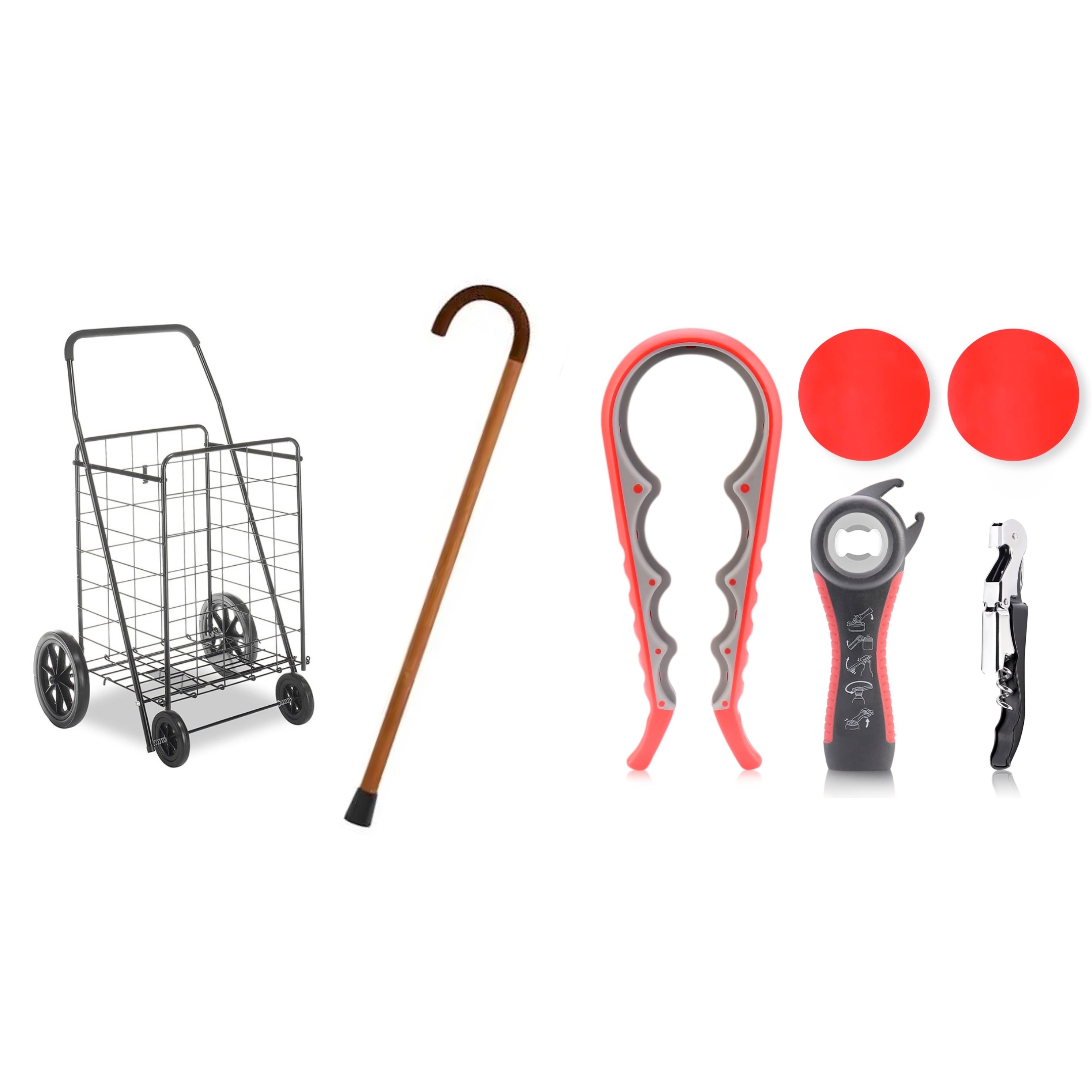

What people actually want
SIGNALS
The following signal categories frame how aging populations interact with products, services, and identity. Adoption fails when these three don’t align, and the gap between them is where opportunity sits. This small set of examples collectively represent almost $80B in current global value across categories where older adults are the primary or fastest-growing consumer segment, yet remain systematically underserved by existing product design.
1. Behavioral signals
WHAT PEOPLE DO
Older adults are already solving their own problems. Products that align with this agency get adopted; products that impose decline framing get rejected.
Walking sticks + canes (Global)
$3B
Potential Market Value
Mordor Intelligence (2025). Walking Assist Devices Market Size. / Allied Market Research (2024). Trekking Poles Market Size.
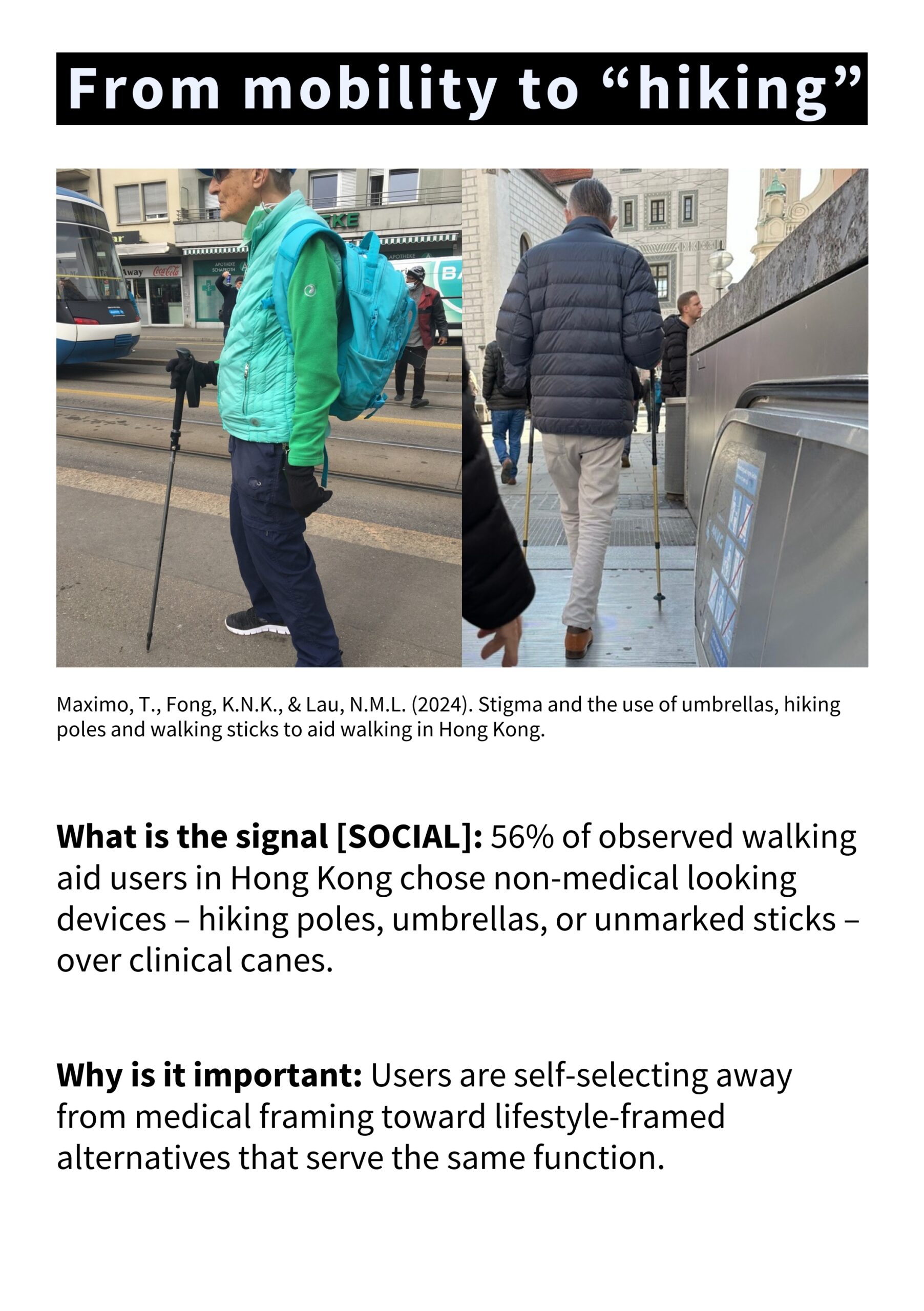
People who reject medical canes (signals decline) are buying hiking poles (signals vitality) instead, a self-directed workaround that the market hasn’t named. The same need (stability, fall prevention, confidence) is served by two entirely separate value chains: canes flow through medical supply and healthcare channels; hiking poles flow through outdoor retail.
Opportunity: Reframe
50+ gaming (Global)
$5B
Potential Market Value
AARP Research (2023). The 50-Plus Gamer of Today and Tomorrow. Washington, DC: AARP Research.
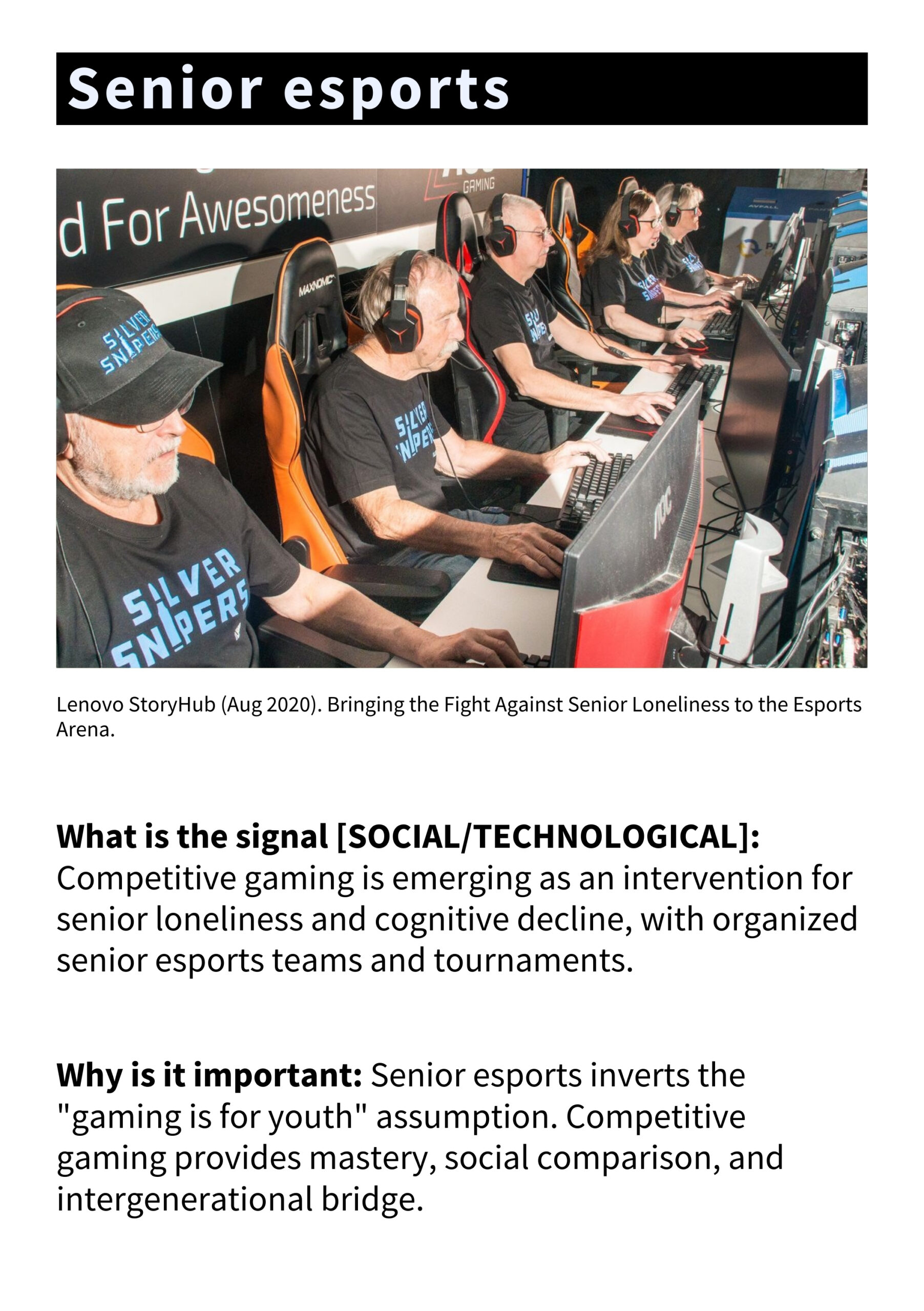
The fastest-growing gaming demographic worldwide is over 50. In the U.S. alone, 52 million are active gamers – and 69% say games aren’t designed for them. A $189B global industry with almost no products built for its most underserved segment.
Opportunity: White space –> build new
2. Cultural signals
WHAT CULTURE PERMITS
Cultural validation is ahead of product markets. Mainstream media and entertainment already frame aging as vitality, autonomy, and style, and yet the products available still signal decline. The gap between cultural framing and product framing is where the opportunity sits.
55+ Influencer Marketing (Global)
$8B
Potential Market Value
McKinsey & Company / The Business of Fashion (2025). The State of Fashion 2025.
People 55+ control the majority of household wealth in most developed economies, yet only 3% feel seen by brands. A $3-8B opportunity in a global $33B industry where the highest-value consumers are the least served.
Opportunity: White space –> build new
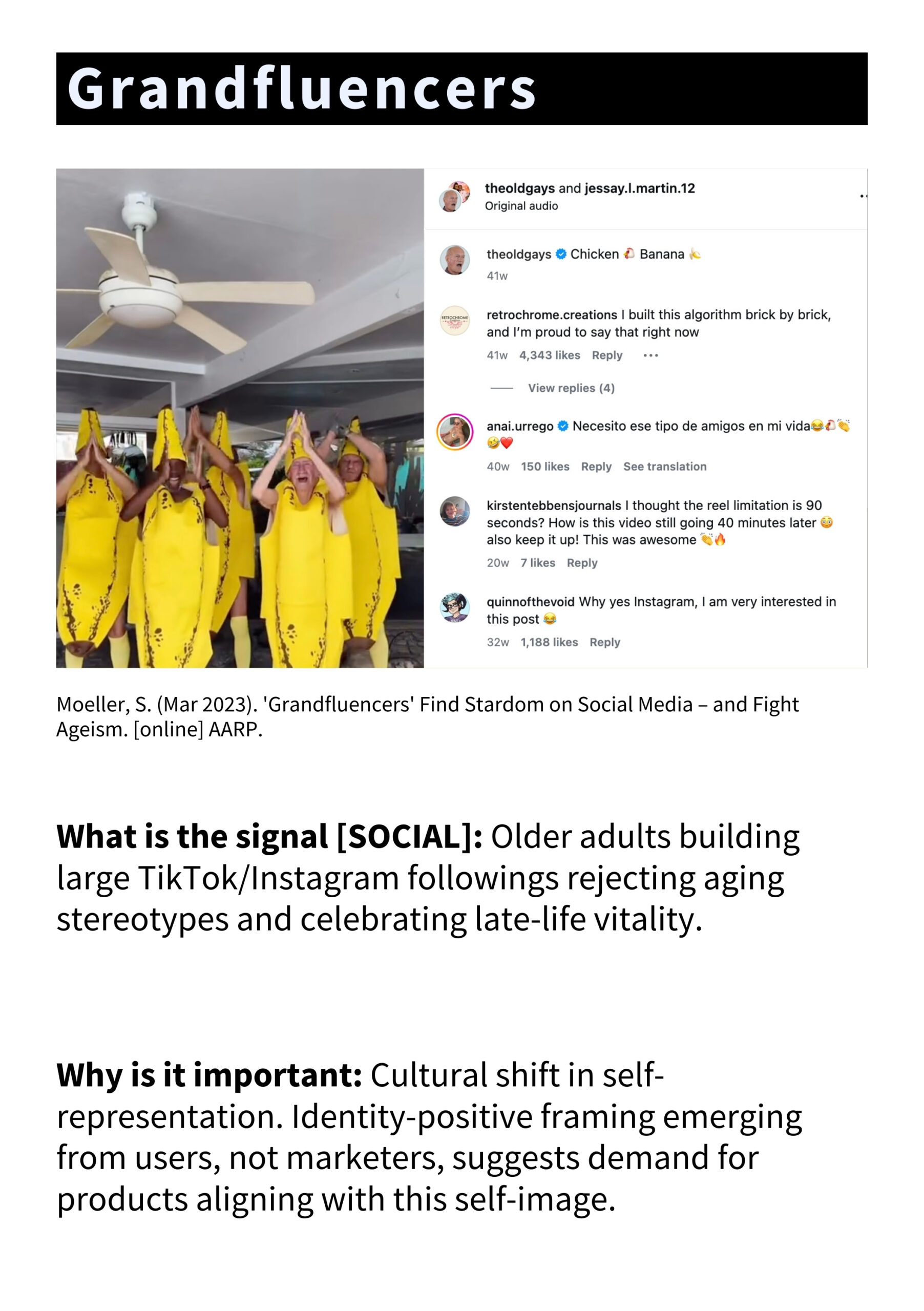
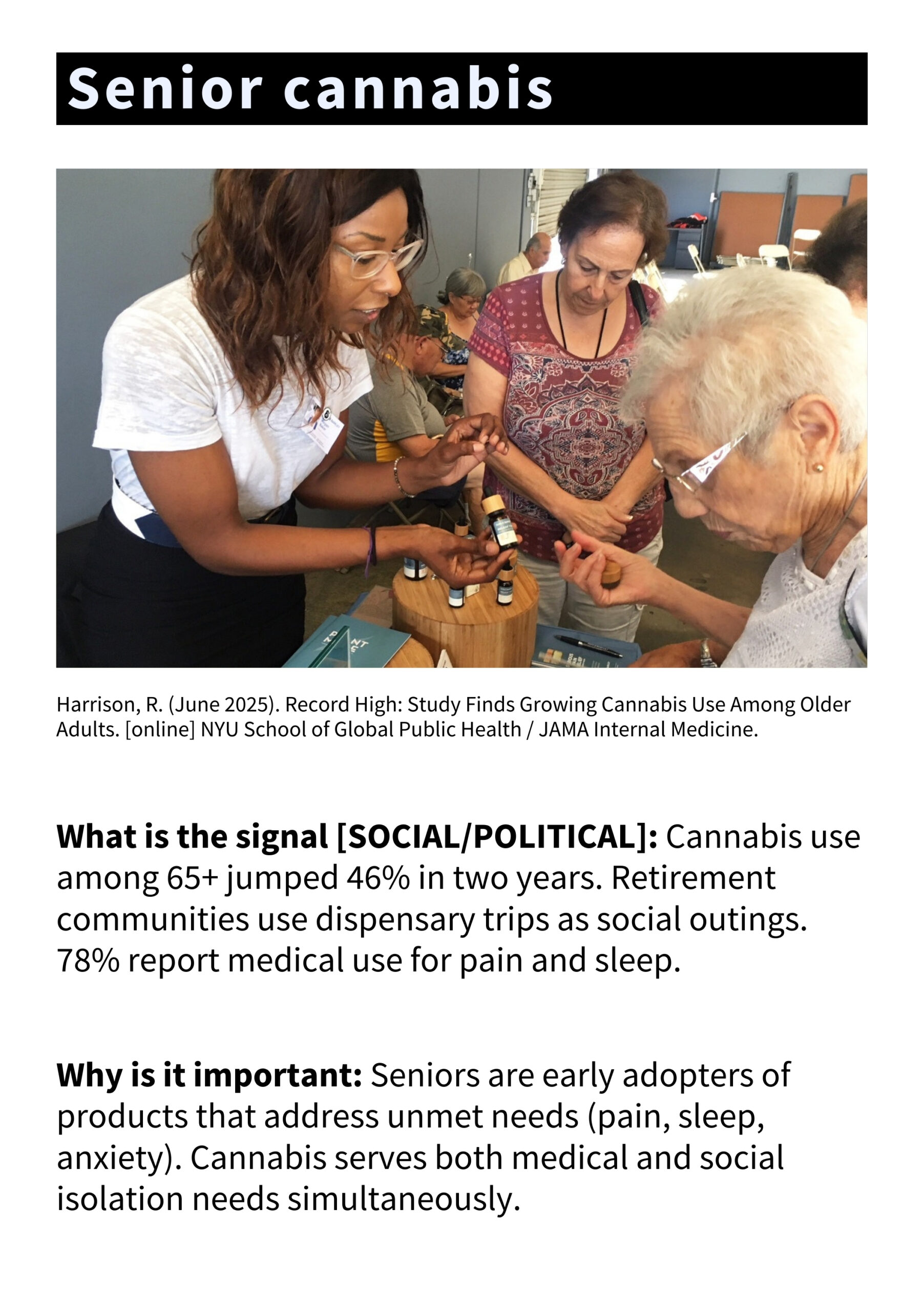
65+ OTC pain relief (Global)
$10B
Potential Market Value
Mordor Intelligence (2026). Over-the-Counter Analgesics Market – Size, Share & Industry Analysis.
Older adults are the heaviest users of OTC pain relief globally. Rising healthcare costs are accelerating openness to alternative treatments – from topicals to CBD and cannabis – but product design hasn’t caught up with the clinical reality of aging bodies.
Opportunity: Redesign –> culture is ahead of product
EVIDENCE OF CULTURAL PERMISSION

Vogue Philippines [SOCIAL/VALUES]: Vogue Philippines’ April 2023 cover featured older women, positioning aging beauty alongside mainstream fashion. That this came from an Asian edition, not a Western one, signals a global cultural shift in how aging is represented. When a cultural institution that defines aspiration includes older faces, it signals that the market’s age-segregated framing is outdated.
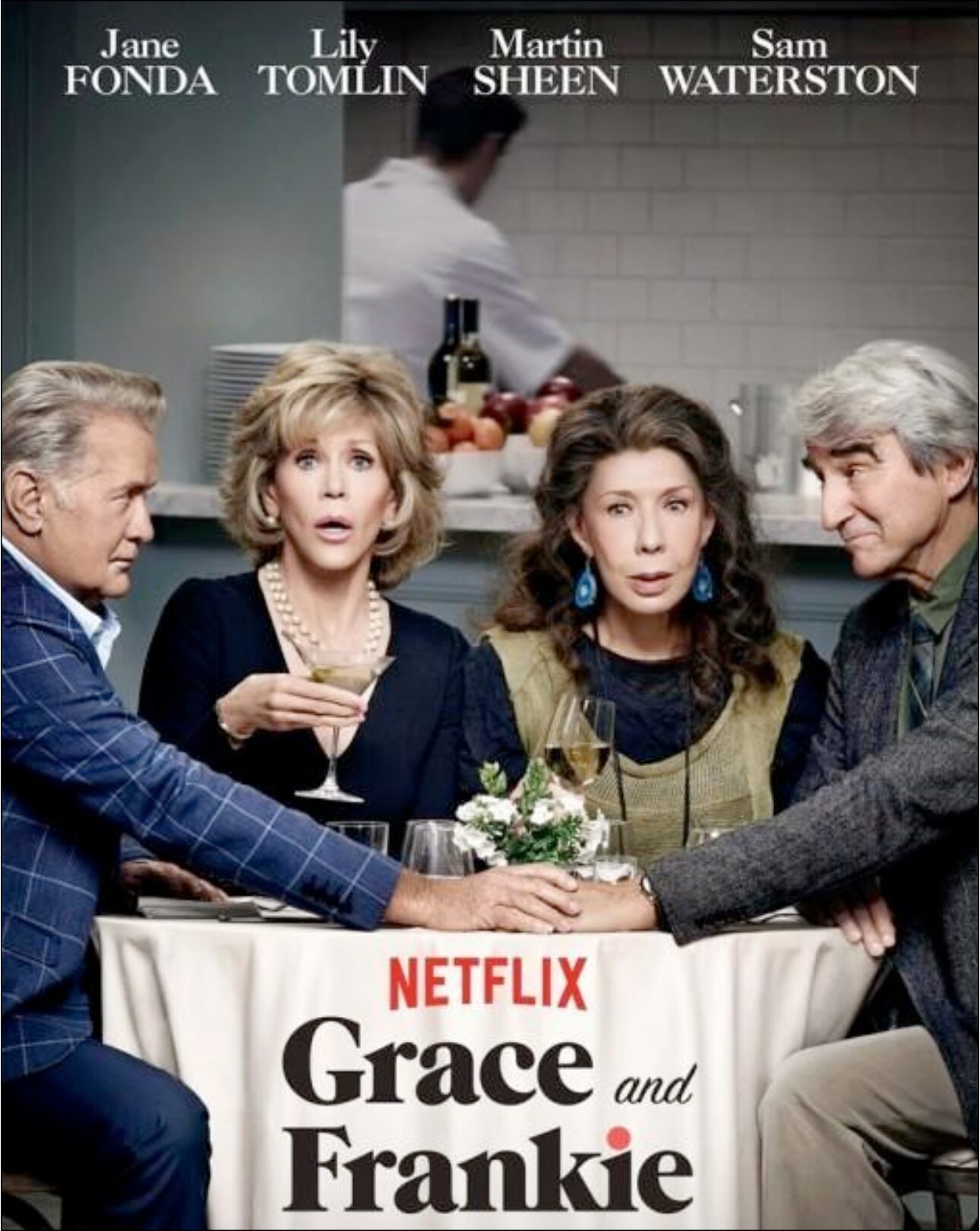
Grace and Frankie [SOCIAL/VALUES]: Netflix’s longest-running original series at the time centered two women in their 70s navigating divorce, entrepreneurship, sexuality, and friendship. The show normalised late-life reinvention as entertainment – not special interest – reaching mainstream audiences who don’t self-identify as “aging content” consumers.
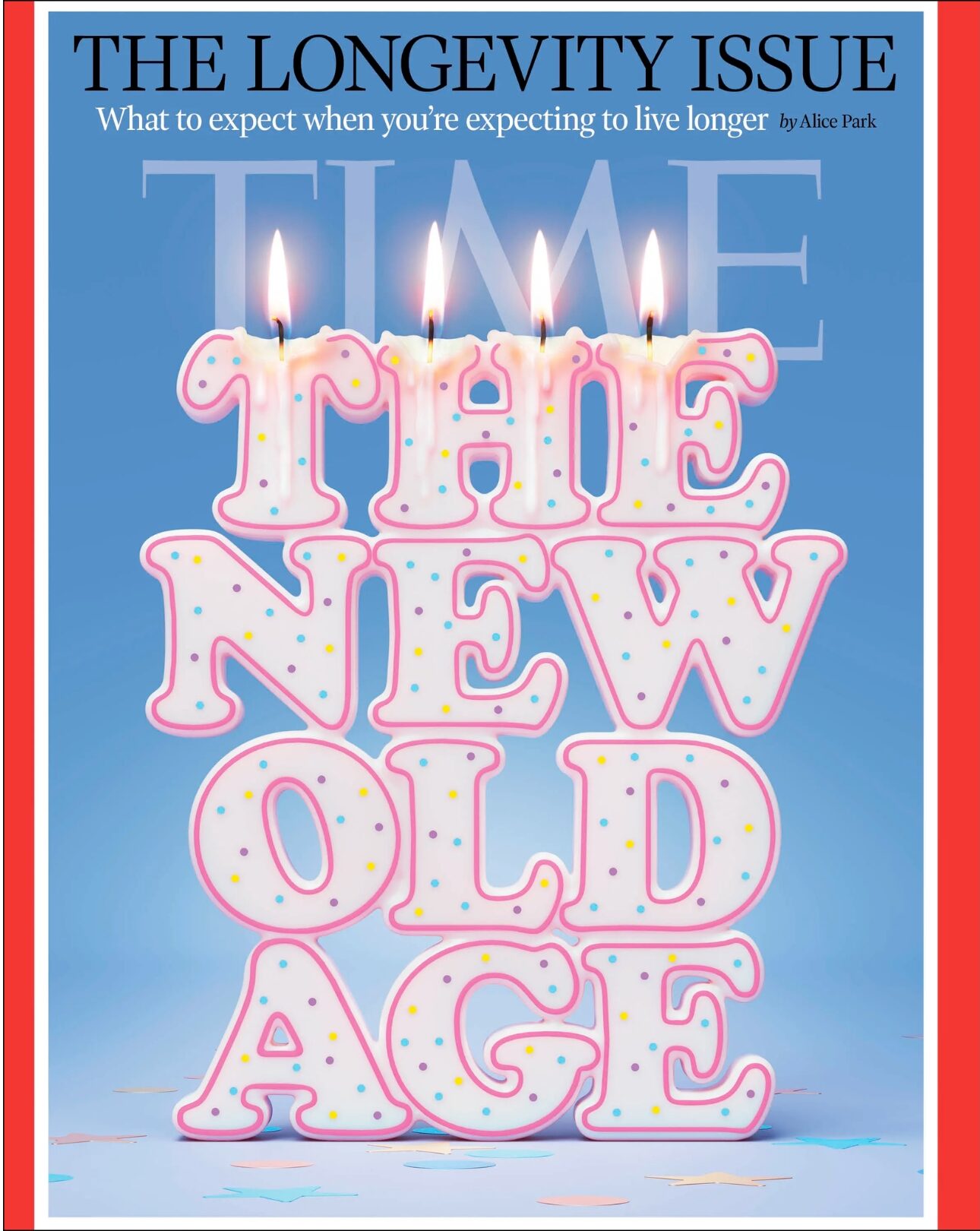
Time “The New Old Age” [SOCIAL/VALUES]: Time magazine’s January 2026 cover framed longevity as the defining demographic story of the era, positioning aging not as a medical problem but as a societal transformation. When media reframes aging from healthcare burden to economic and cultural opportunity, it reshapes the context in which products are developed and received.
3. Product signals
WHAT SYSTEMS DELIVER
Adoption is shaped by the system around the product – regulation, framing, distribution – not just the product itself.
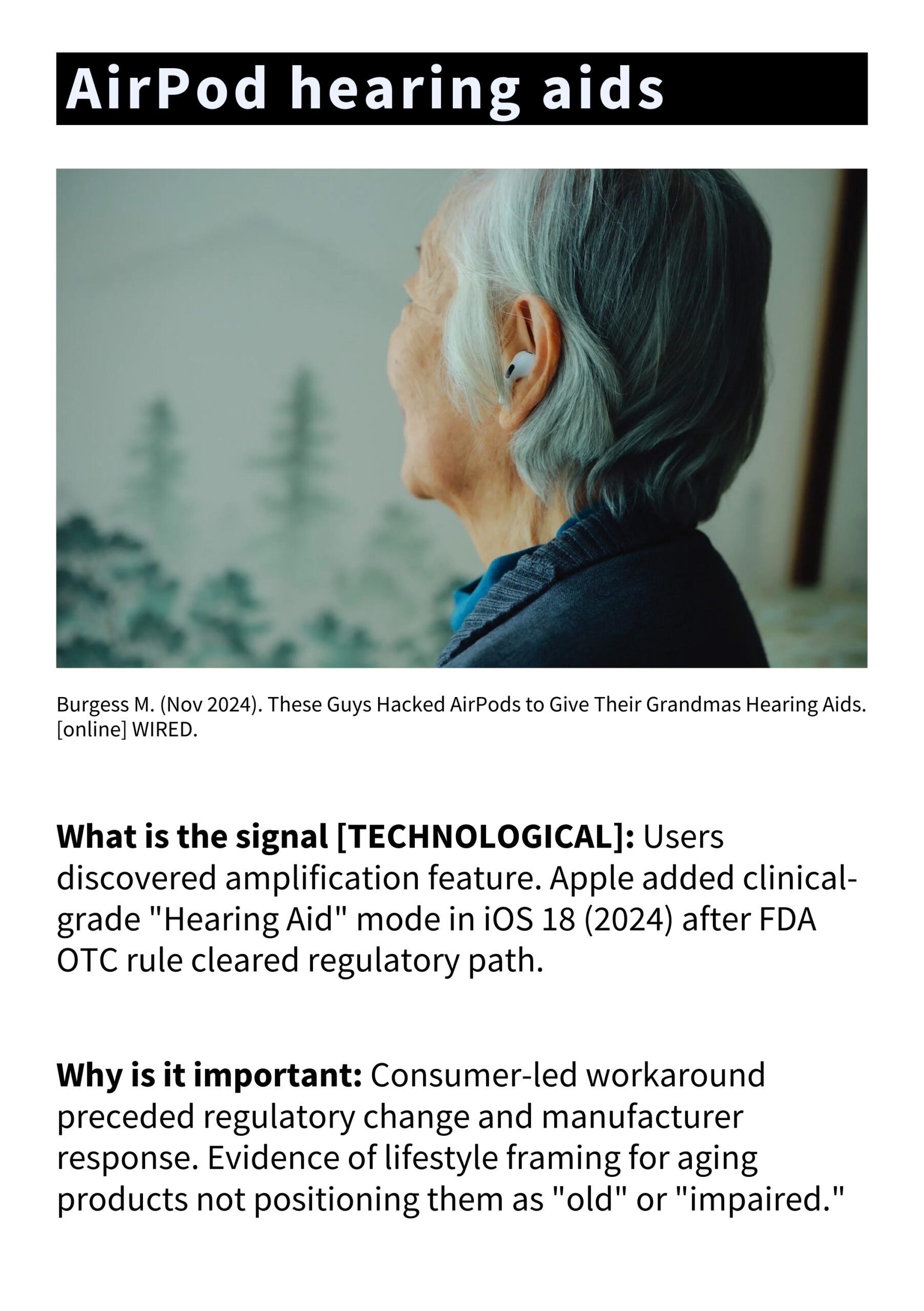
hearing aids (Global)
$20B
Potential Market Value
MarkeTrak 2025 / Hearing Industries Association. Hearing Aid Adoption in the OTC Hearing Aid Era.
The WHO estimates over 1.5 billion people globally live with some degree of hearing loss, yet adoption of hearing aids remains low worldwide. Across markets, systemic issues – product design, regulation, framing, distribution – still signal “medical device,” not lifestyle.
Opportunity: Reframe
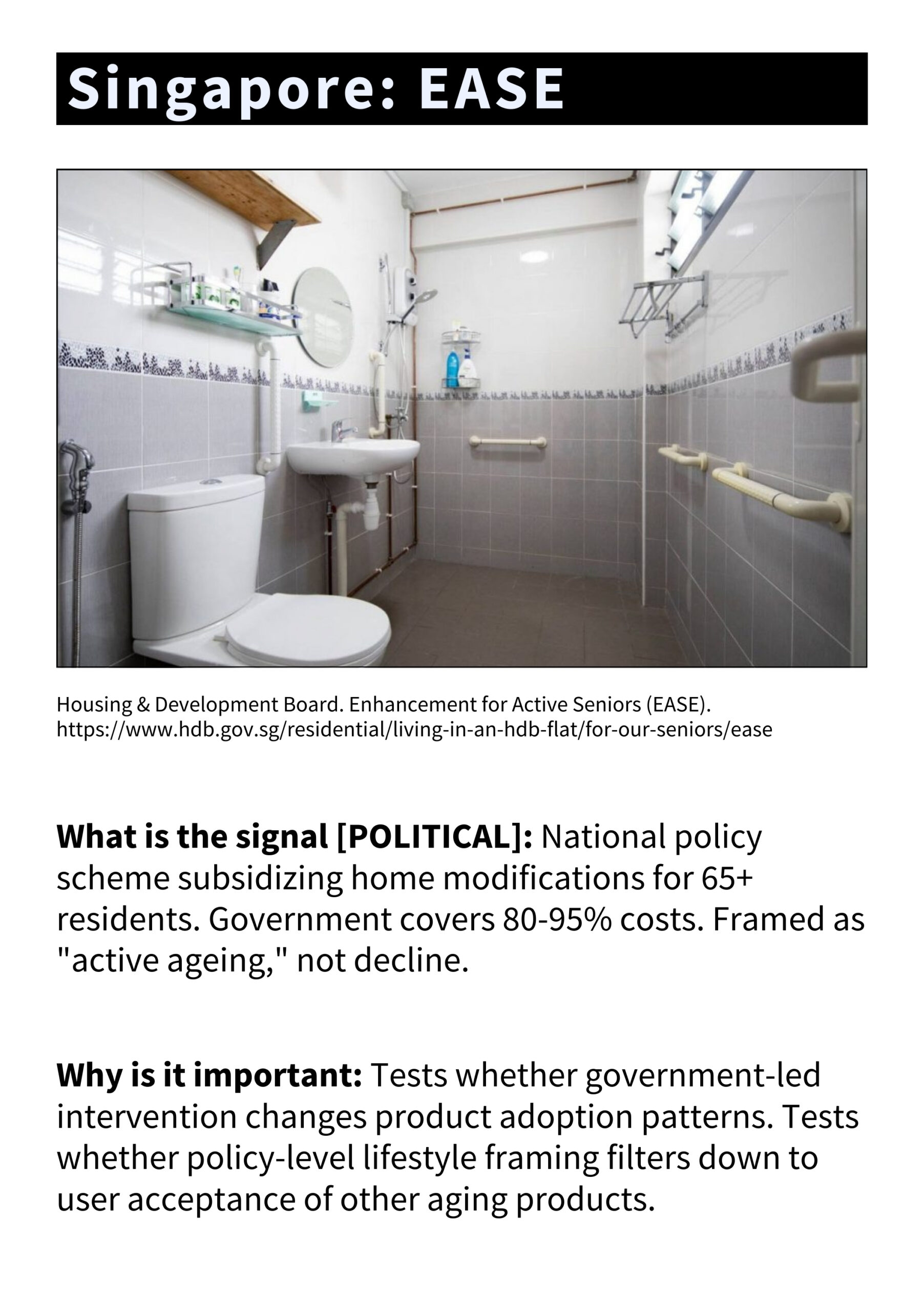
aging-in-place + accessibility (global)
$27B
Potential Market Value
Stratistics MRC (2025). Aging-in-Place and Home Accessibility Solutions Market Forecasts to 2032.
Across developed economies, the vast majority of older adults prefer to remain in their homes – yet most don’t anticipate needing modifications until a crisis forces it. That perception gap is the design problem.
Opportunity: Redesign –> shift function from crisis response to proactive adoption)