Make it easier to join
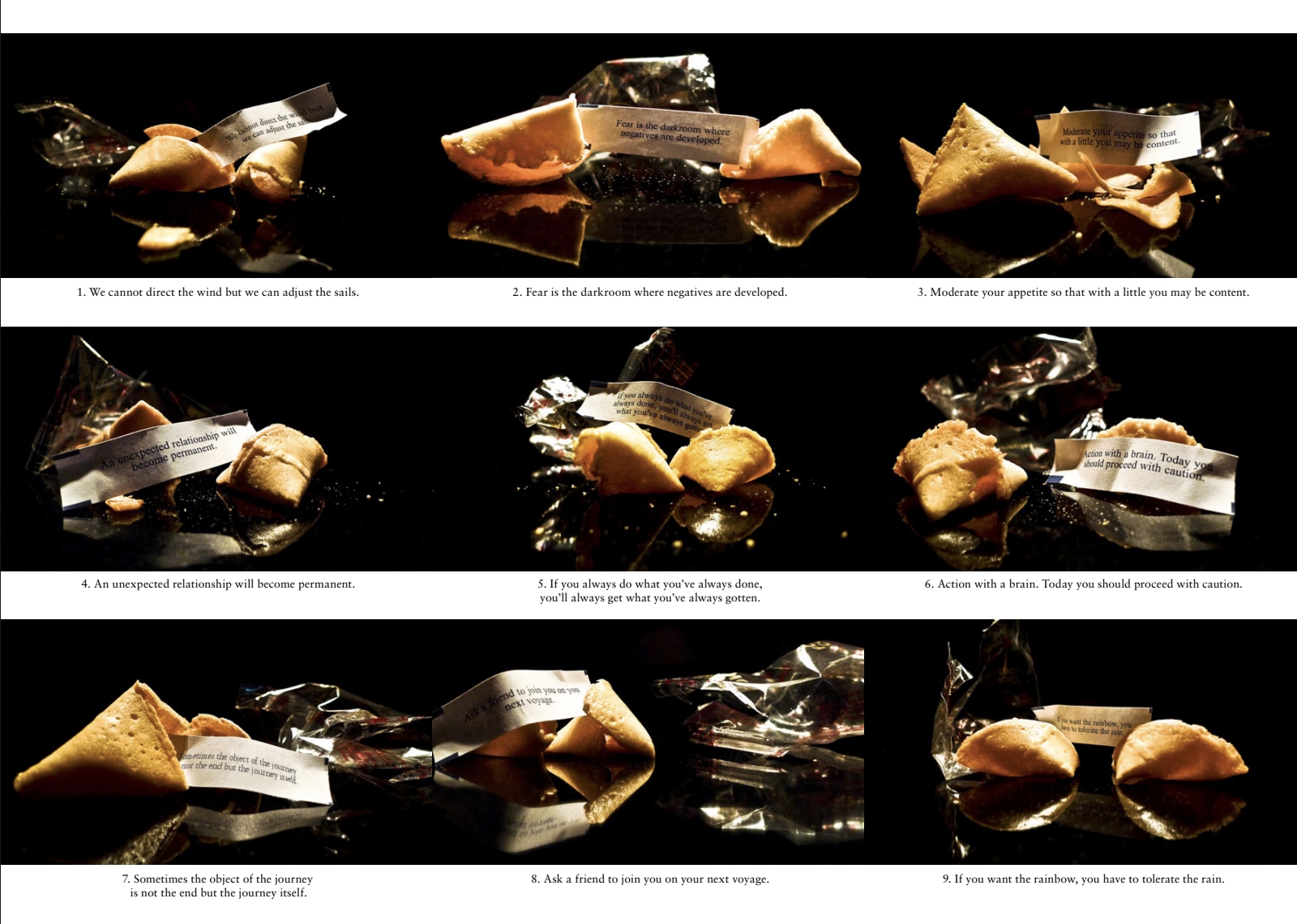
Fortune cookies introduced conversation topics through a familiar, playful object. Random selection took the pressure off any one guest to choose the subject.
BUILDING SOCIAL INFRASTRUCTURE FOR EMPATHY
The “loneliness epidemic” entered U.S. mainstream discourse in 2017. But in 2011, social disconnection and the decline of empathy was already an everyday experience being warned of as a crisis by researchers. People had more ways to contact each other through social media, yet confidence in the ability to build meaningful in-person relationships was shrinking drastically.
Research on empathy, social networks, and social isolation gave me a way to investigate that problem. Mental health services addressed symptoms. Community programs addressed access. Tech platforms addressed planning logistics. Nothing was practically designed for how people actually form trust and connection during the time of encounter.
I started TableTribes as a way to put research into practice. The working premise was that empathy – and its byproduct, connection – at its core was a skill that could be developed through practice. The gatherings tested what it would take to give strangers regular opportunities for conversations. The ambition was to build a network that could sustain those connections across communities.
Over six years, the startup grew from live gatherings into a facilitation methodology and a mobile product prototype. Each stage tested how to make participation easier, bring different perspectives together, and support others in organizing their own conversations.
The work developed through three gathering formats. Each responded to a limitation or opportunity in the previous one, from the demands of a formal dinner to the challenges of conversations about race and politics.
As co-founder and cultural director of No. 68, I helped develop curated dinners with facilitated dialogue. The guest application, shared meal, and conversation format gave strangers a way to talk beyond their usual social and professional circles.
Use a shared meal, guest curation, and facilitated dialogue to give people a starting point.
Nine events reached 300 participants, generating $70K in ticket sales and sponsorships.
Guests wanted the dinners to continue, but the format required substantial time and resources. This led to the more accessible Picnic Series.
The Picnic Series made the gatherings more informal and accessible. Conversation prompts helped people get started, and repeated events in different cities gave us opportunities to refine the format. Requests from other organizers led to a manual for running their own gatherings.
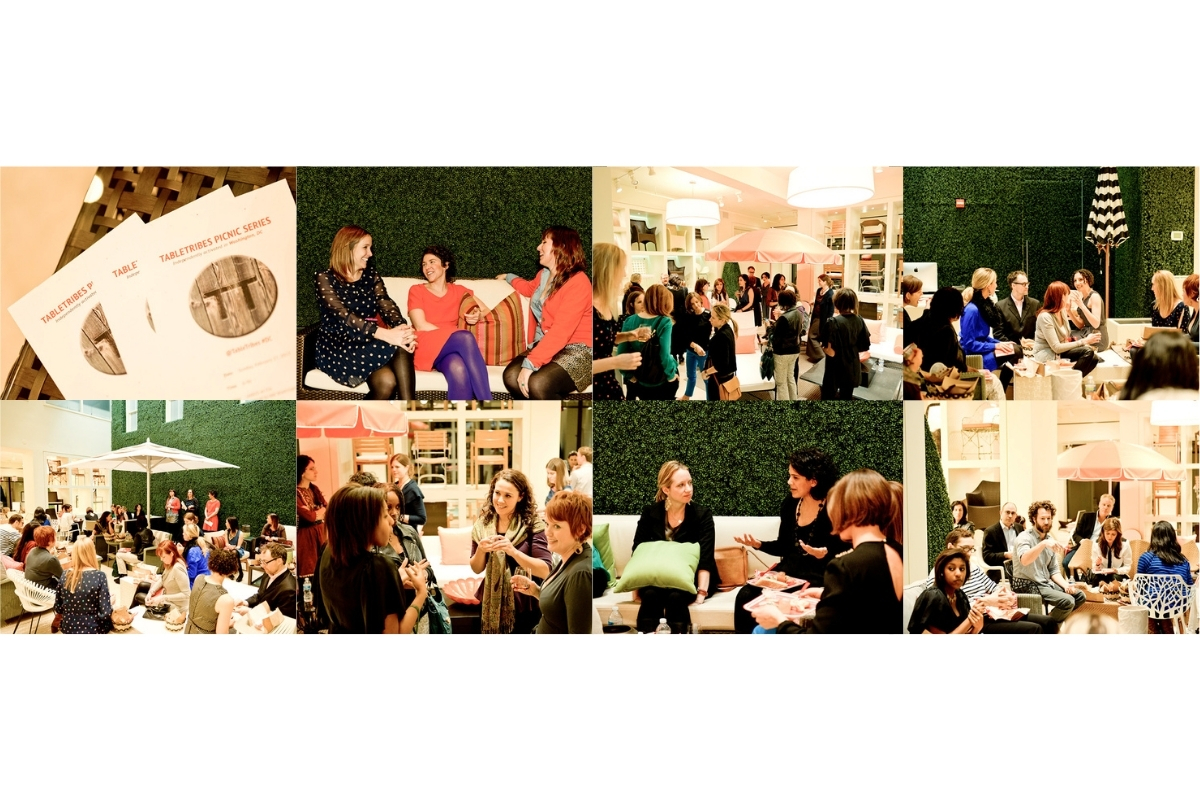
Replace the formal dinner with a lower-friction gathering, using prompts and facilitation to support participation.
More than 100 format iterations reached 1,000+ people across Washington, DC, San Francisco, and Portland.
Other organizers began adopting the approach and requesting guidance. Radius then applied the format to conversations about race and politics.
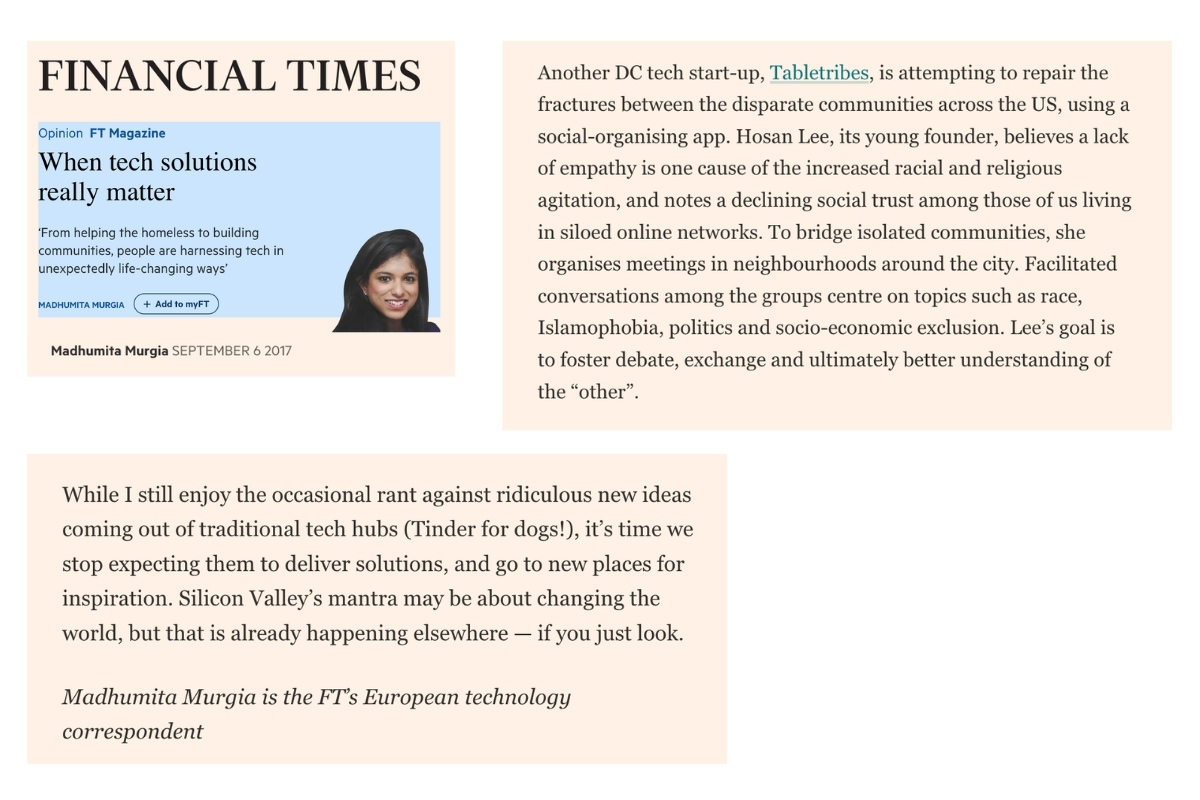
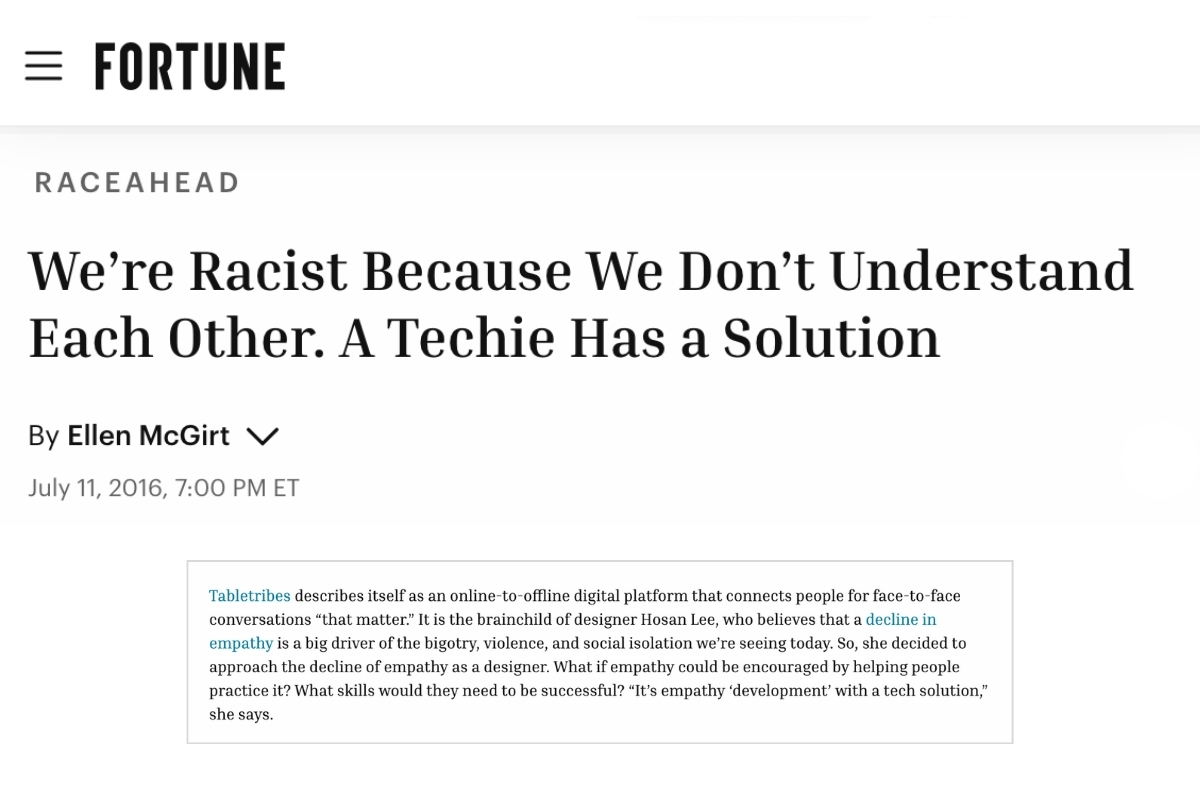
Radius developed in response to the Black Lives Matter movement. Facilitated conversations about race and politics brought people together to share experiences and perspectives that might otherwise remain within separate social circles.
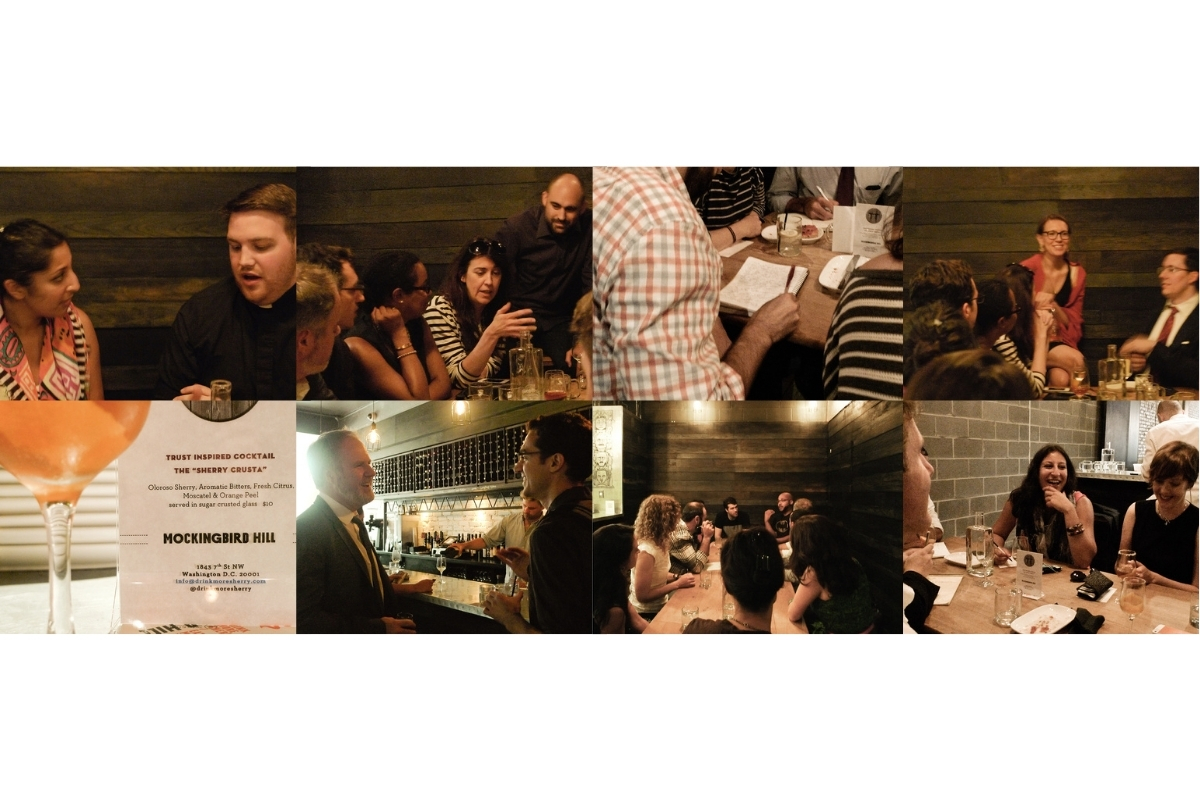
Bring difficult subjects into a facilitated, face-to-face setting with a shared invitation to participate.
Radius reached 2,000 participants across four cities and attracted national press coverage.
Running the work across cities made the need for dependable funding, coordination, and institutional support increasingly clear.
The details mattered: what guests were asked before arriving, how a topic was introduced, who spoke, and how the group moved through a conversation.
Fortune cookies introduced conversation topics through a familiar, playful object. Random selection took the pressure off any one guest to choose the subject.
There were no keynotes, panels, or designated experts. Application questions asked guests to share something personal before arriving, and the format made room for everyone to contribute.
The program moved between smaller conversations and the wider group. Facilitators used the sequence to help people become comfortable speaking and to give them time to process the discussion.
The Picnic Manual set out preparation, collaborator roles, guest curation, and event delivery. It recorded what organizers needed to run a gathering beyond the original team.
The manual translated experience into a practical framework for organizers. It brought together preparation, collaborator responsibilities, guest curation, and event delivery so the format could be carried beyond its original team.
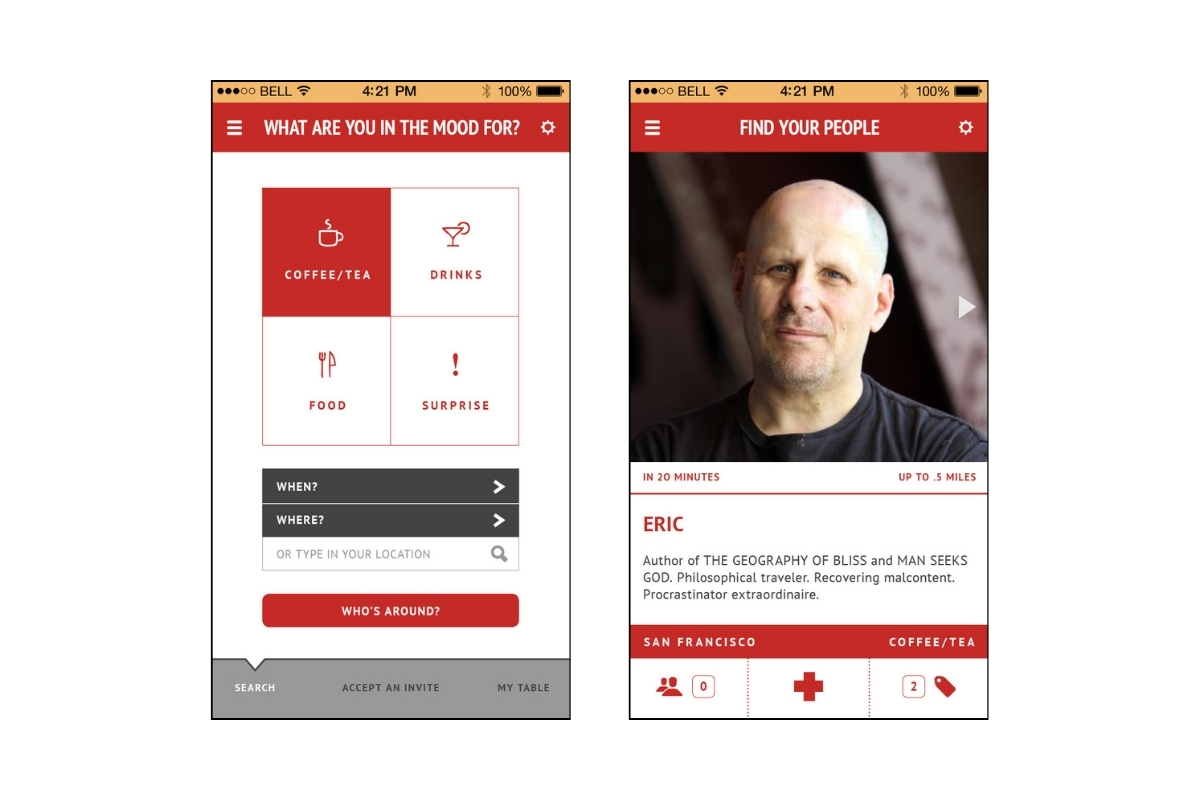
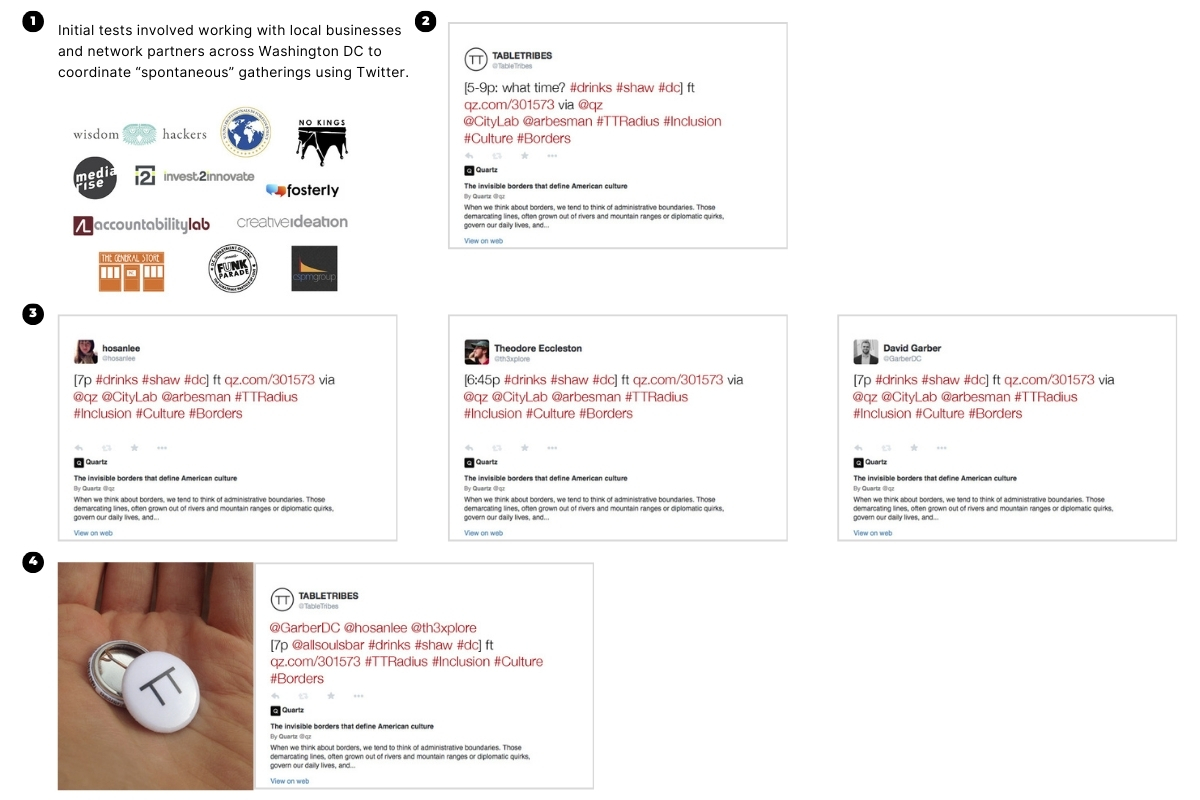
The mobile prototype let people find nearby participants around a shared interest or activity. I developed user flows, wireframes, and a functional prototype to explore how technology could make spontaneous, face-to-face conversations easier to arrange.
Developing the platform required resources beyond founder capacity, leading the work toward institutional partnerships.
As Entrepreneur-in-Residence at Civic Hall in New York, I documented the methodology, built relationships, and explored institutional support for the work.

Research on empathy and social connection gave me a starting point. The gatherings became a way to explore what those ideas meant in practice, from the first invitation to the way a conversation unfolded.
This retrospective scan brings together published research and concerns recorded in the project archive. The domains helped frame where TableTribes could intervene.
Empathy decline (48% over 30 years per Konrath); shrinking discussion networks (down to 2 on average per Brashears); increasing social isolation
Create repeated opportunities to talk beyond existing circles.
Social media eroding well-being; attention spans diminishing; leisure screen time up, offline socializing down
Use technology to help people meet, with the encounter taking place face to face.
Turkle, 2011; Wisdom Hackers essay, 2014
Erosion of third places; professionalization of networking; commodification of connection
Test transaction-free formats through the Picnic Series.
No. 68 case study; project archive
Urban density without togetherness; transitional mobility in cities
Give newcomers a setting and an invitation that did not depend on knowing a host.
Wisdom Hackers essay, 2014; project archive
Declining social trust (UK: 60% to under 30%); rising conservative nationalism; civic disengagement
Create facilitated settings for sharing experiences across social and political differences.
Radius project records, 2015
Empathy dismissed as “soft skill”; relationship depth undervalued; productivity prioritized over connection
Make personal experience and reciprocal participation central to the format.
Wisdom Hackers essay, 2014; Picnic Manual
Original documents, selected project records, and the research bibliography support the story told here.
The organizer framework: roles, preparation, curation, and event delivery.
The 2014 essay articulating the inquiry into sustainable empathy.
The early dinner format, its development, and documented results.